The State of Online Payments in Egypt
Accepting online payments was historically one of the hardest parts of launching a digital platform in Egypt. Today, the landscape is much more mature, but the fragmentation of payment methods — Visa/Mastercard, Meeza, mobile wallets (Vodafone Cash, etc.), and Fawry reference numbers — means businesses must carefully choose how they integrate payments into their web applications.
Payment Aggregators vs. Direct Bank Integration
1. Payment Aggregators (Paymob, PayTabs, Amazon Payment Services)
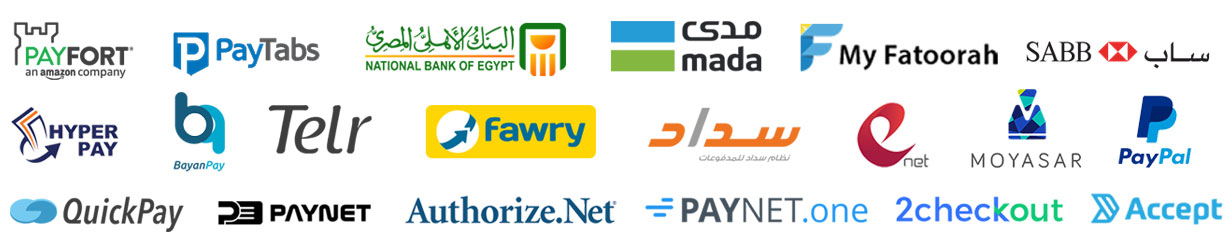
Aggregators provide a unified API that allows your application to accept multiple payment methods through a single integration. For example, integrating Paymob gives you immediate access to card payments, digital wallets, and customized Fawry Reference codes without having to negotiate separate contracts for each.
Technical advantage: Modern REST APIs, webhooks for asynchronous payment confirmation, and ready-made SDKs. The integration timeline is typically measured in days rather than months.
Business tradeoff: Higher transactional fees compared to direct bank relationships, though offset by the speed to market.
2. Direct Bank APIs (NBE, CIB, Banque Misr)
Larger enterprises often integrate directly with Egyptian banks acting as issuing processors. This bypasses the aggregator layer entirely.
Technical advantage: Absolute control over the checkout experience (within PCI-DSS constraints) and direct settlement.
Business tradeoff: Extreme integration friction. Bank APIs in Egypt can be heavily gated, often relying on legacy SOAP protocols or strict compliance audits before API keys are provided. Only recommended for platforms processing immense volume where aggregator fees become prohibitive.
The "Meeza & Mobile Wallets" Requirement
A production-grade platform targeting Egyptian consumers cannot rely solely on Visa/Mastercard. Mobile wallet penetration in Egypt vastly outstrips traditional credit cards. When you build a booking system or marketplace, ensuring your checkout flow gracefully handles mobile wallet prompts (where the user must confirm via USSD on their phone) is critical. Your web app must listen for the aggregator's webhook confirming the wallet transaction asynchronously, since the user leaves your browser environment to authorize.
How We Handle Payments at Pharaohs Nexus
When developing custom applications in Django for our clients, we build a dedicated payments app isolated from the core business logic. We predominantly recommend Paymob or PayTabs for startups and mid-market organizations due to mature webhook implementations. We map aggregator transaction IDs directly to local Order or Booking models, ensuring atomic state transitions — meaning a booking is never fully confirmed until the definitive success webhook is received and verified by HMAC signature.
If you're looking to build an e-commerce platform or booking system with robust payment infrastructure in Egypt, request a proposal to discuss your architecture.